
Jeju of South Korea is a small volcanic island just South of the mainland peninsula, and given its location, climate and soil make up, the place seemed have an incredible biodiversity in spite of its sizeable human population. The island is well developed, however it appears as if the guiding philosophy is to be one with nature rather than to be at odds with it.
Perhaps because of all these reasons, I kept running into (sometimes literally) dense clusters of all kinds of spiders and their webs with unusual regularity wherever I went, be it on a nature trail, in a children’s park, or at a parking lot. This was to my delight, as I find these arachnids very attractive.
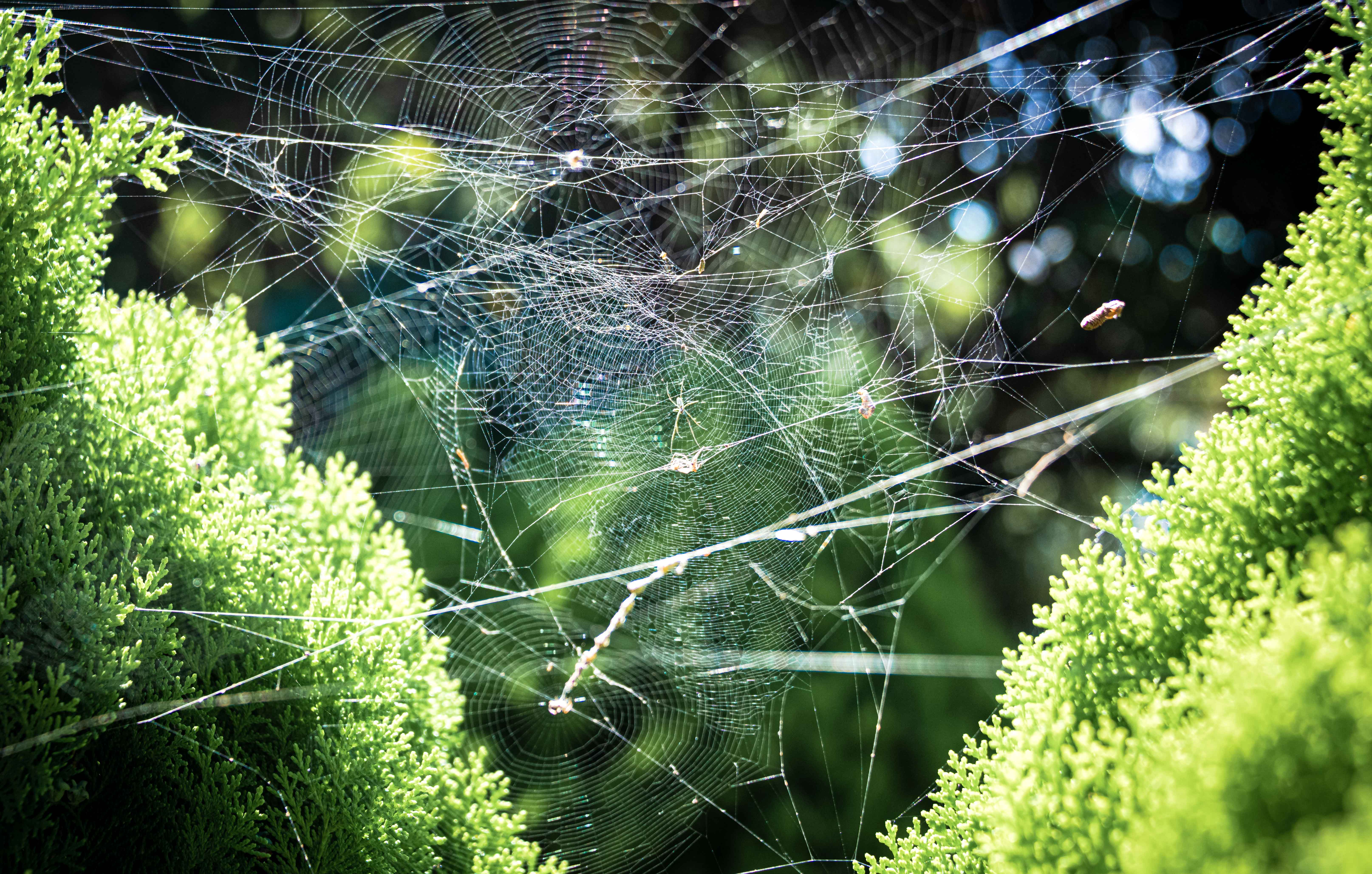
Here is a catalogue of some of the spiders I encountered in Jeju.
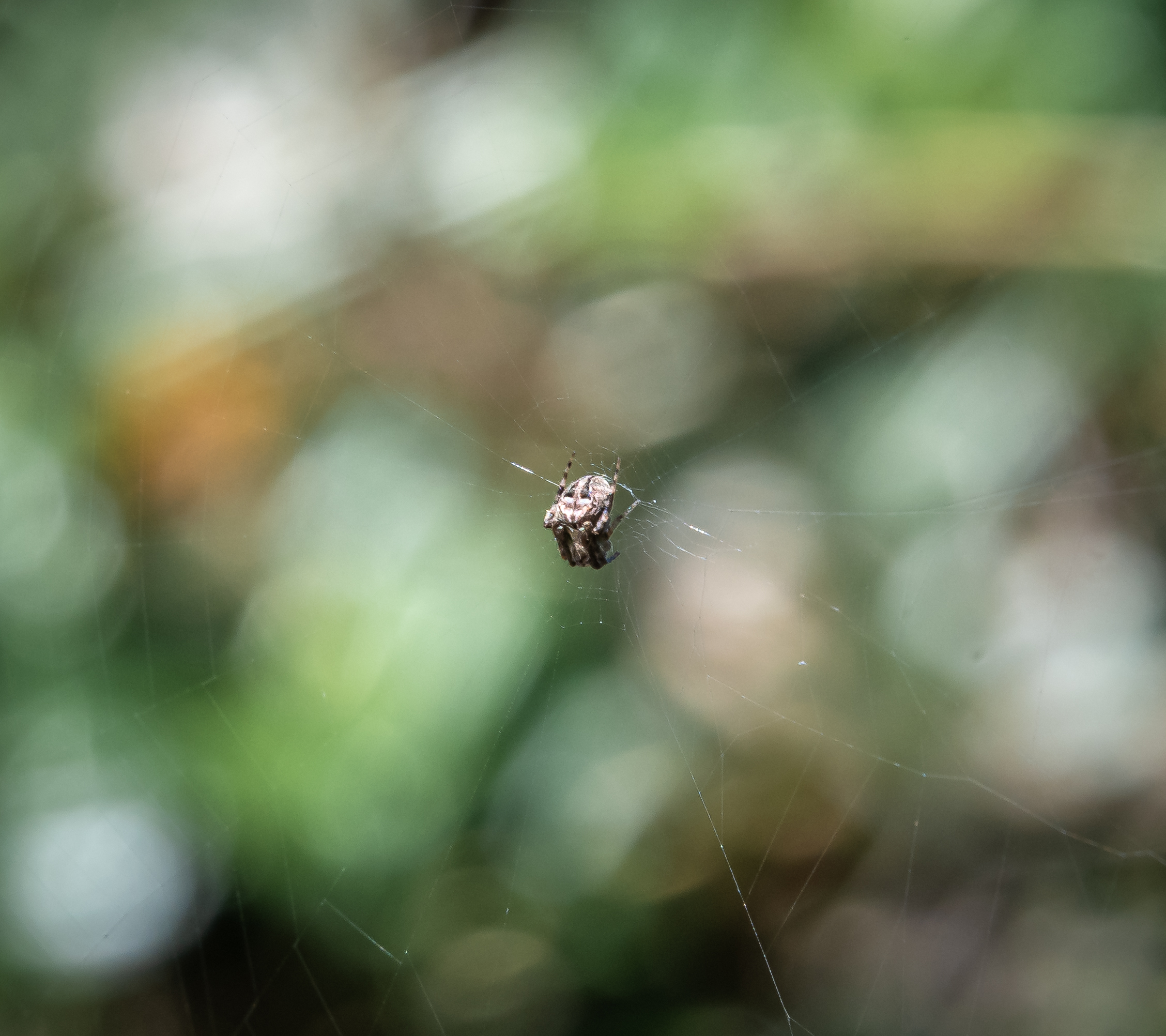
Starting with the smallest, Araneus ventricosus, a nocturnal garden orb-weaver. These tiny guys come out every night to weave a new silken orb. It patiently waits at its centre for its prey, and then consumes the silk at dawn. Studies show that they can coax trapped male fireflies to mimic female light signals, luring in more males flies.
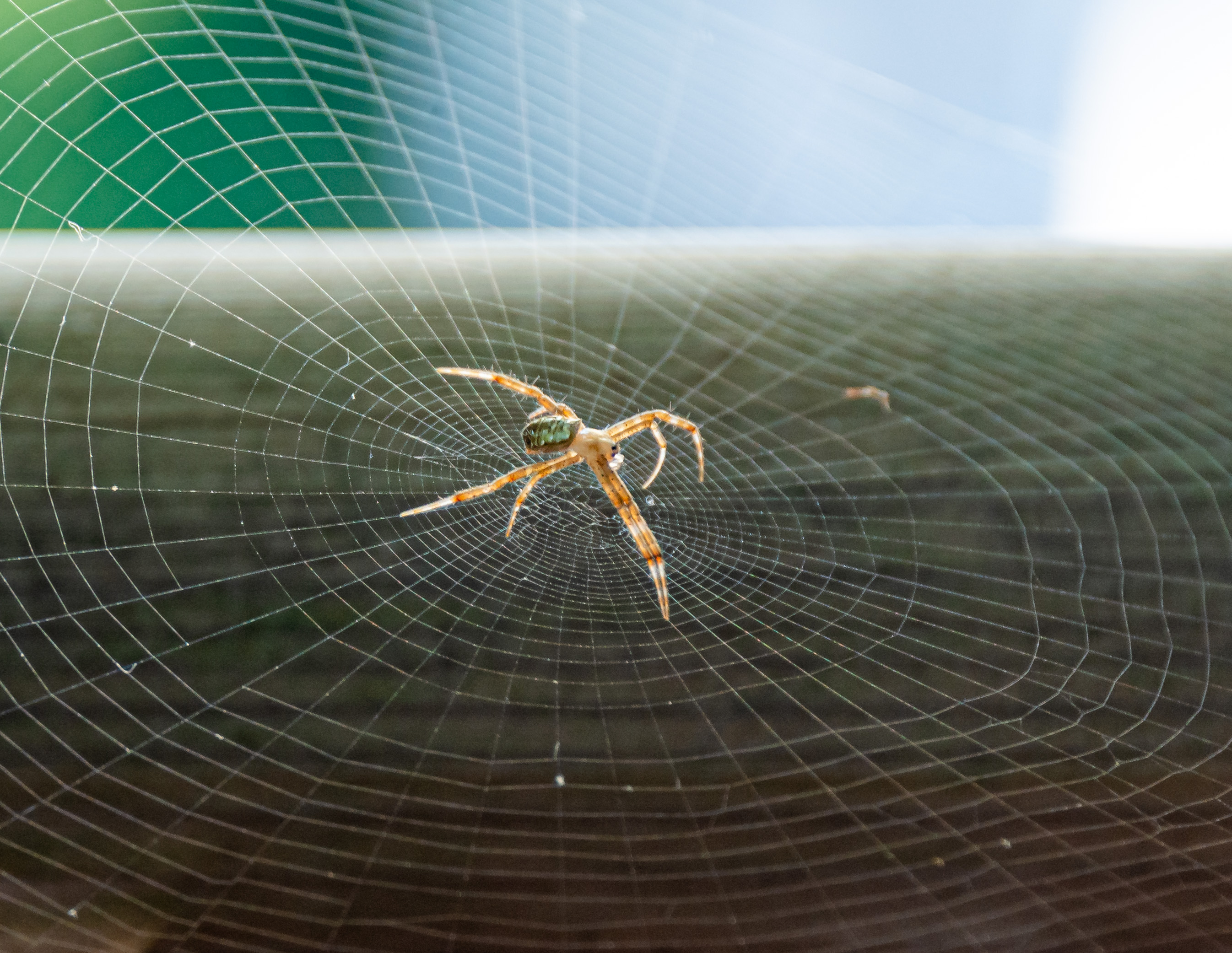
This fellow here is likely a juvenile Leucauge (Orchard Spider) or a juvenile Argiope (Wasp spider) or a juvenile Neoscona. I would be grateful if anyone reading this could enlighten me what exactly this spider is. One thing I found out while trying to narrow down on this species is that all bets are off when it comes to young ones (apparently many of them have a touch of green). I also learned that ChatGPT ends up agreeing with whatever you are saying. I kept this photo here to contrast the neat, almost perfect, circular orb with the next one.
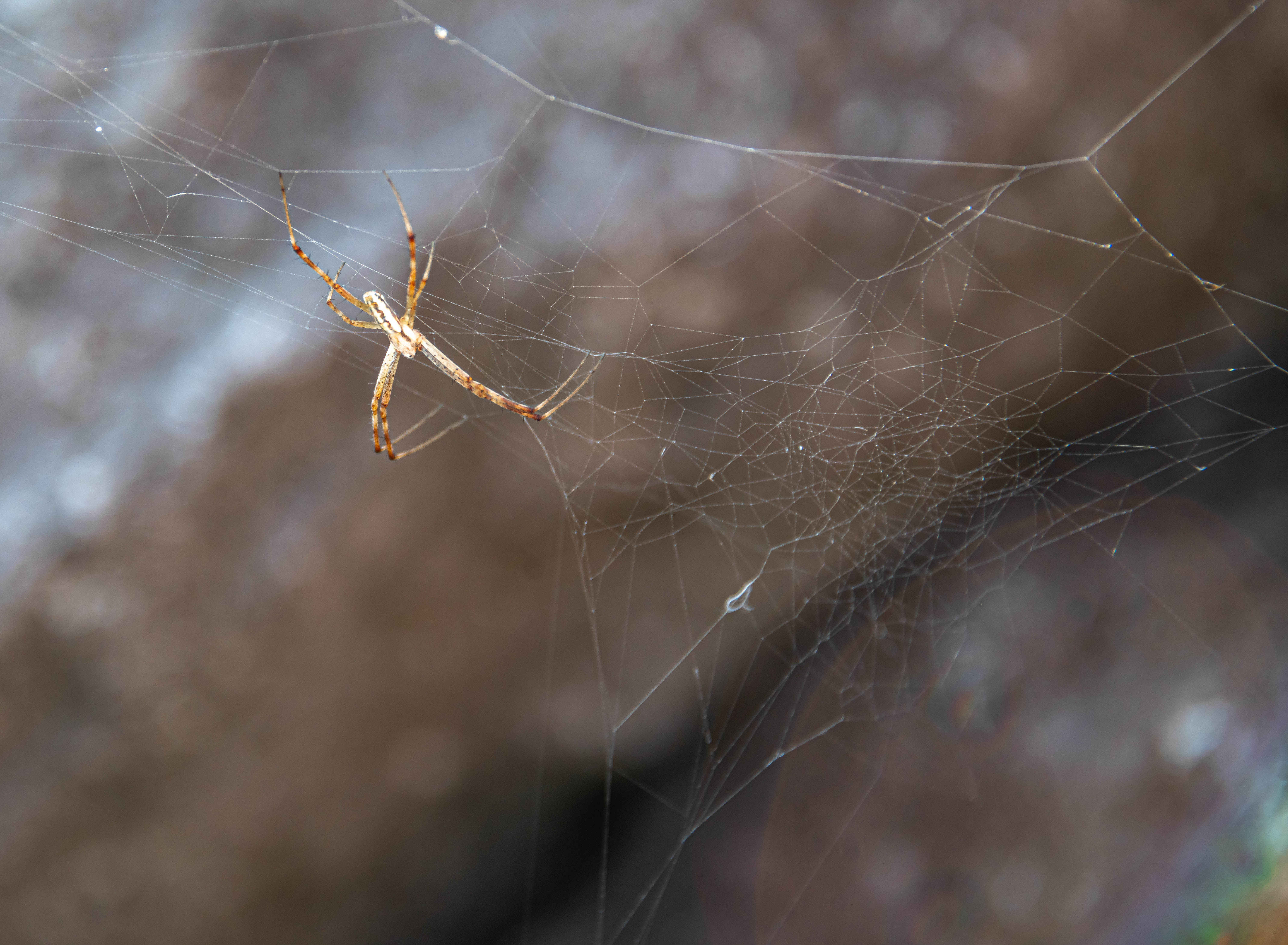
This is a long-jawed orb-weaver (family Tetragnathidae), and they choose highly efficient minimalist nets rather than elaborate cathedrals as they specifically target swarms of small insects especially near water bodies. The placement of these snares is also more horizontally angled rather than vertical like other ‘true’ orb-weavers.
Moving on to the big ones.
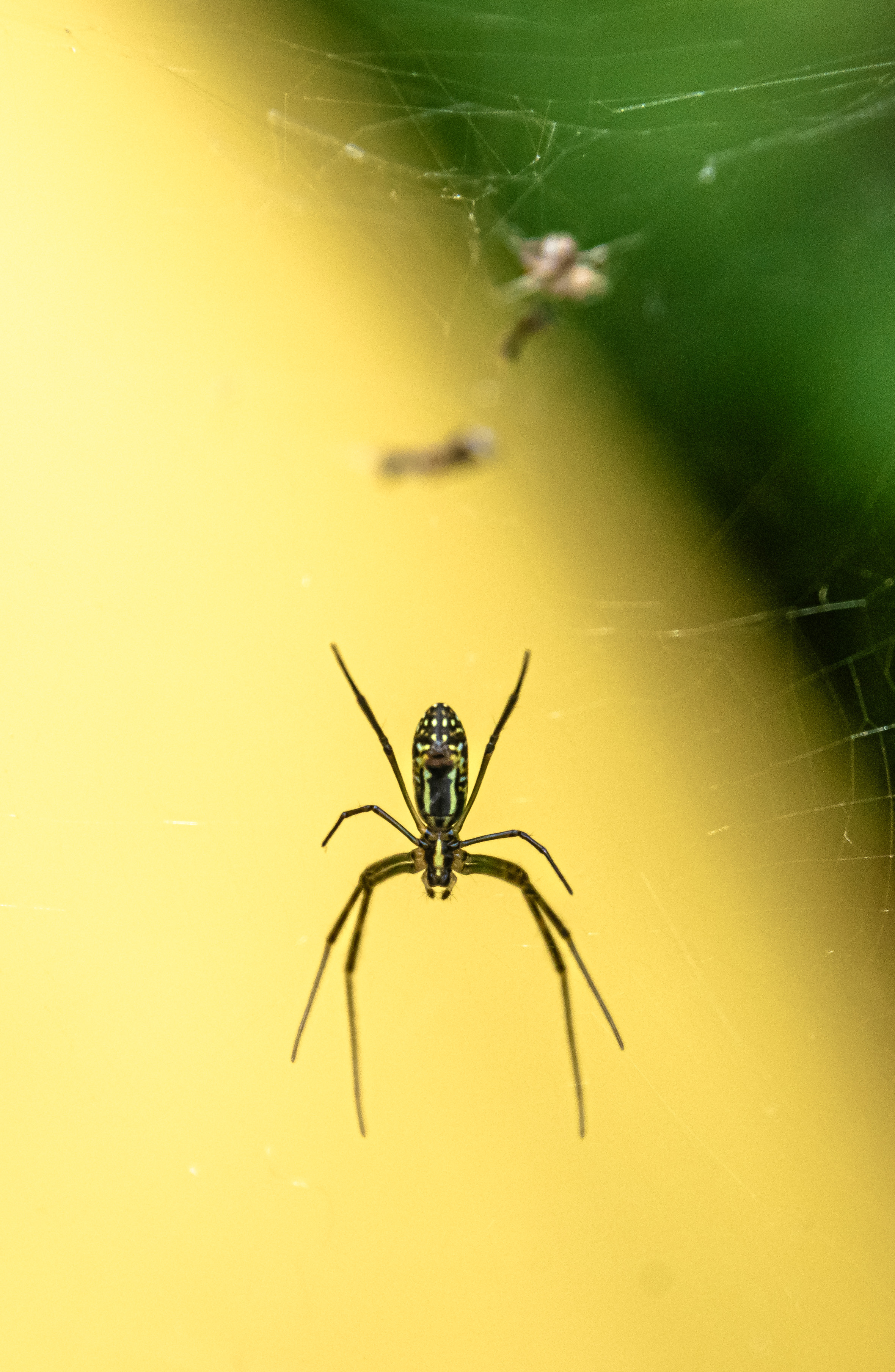
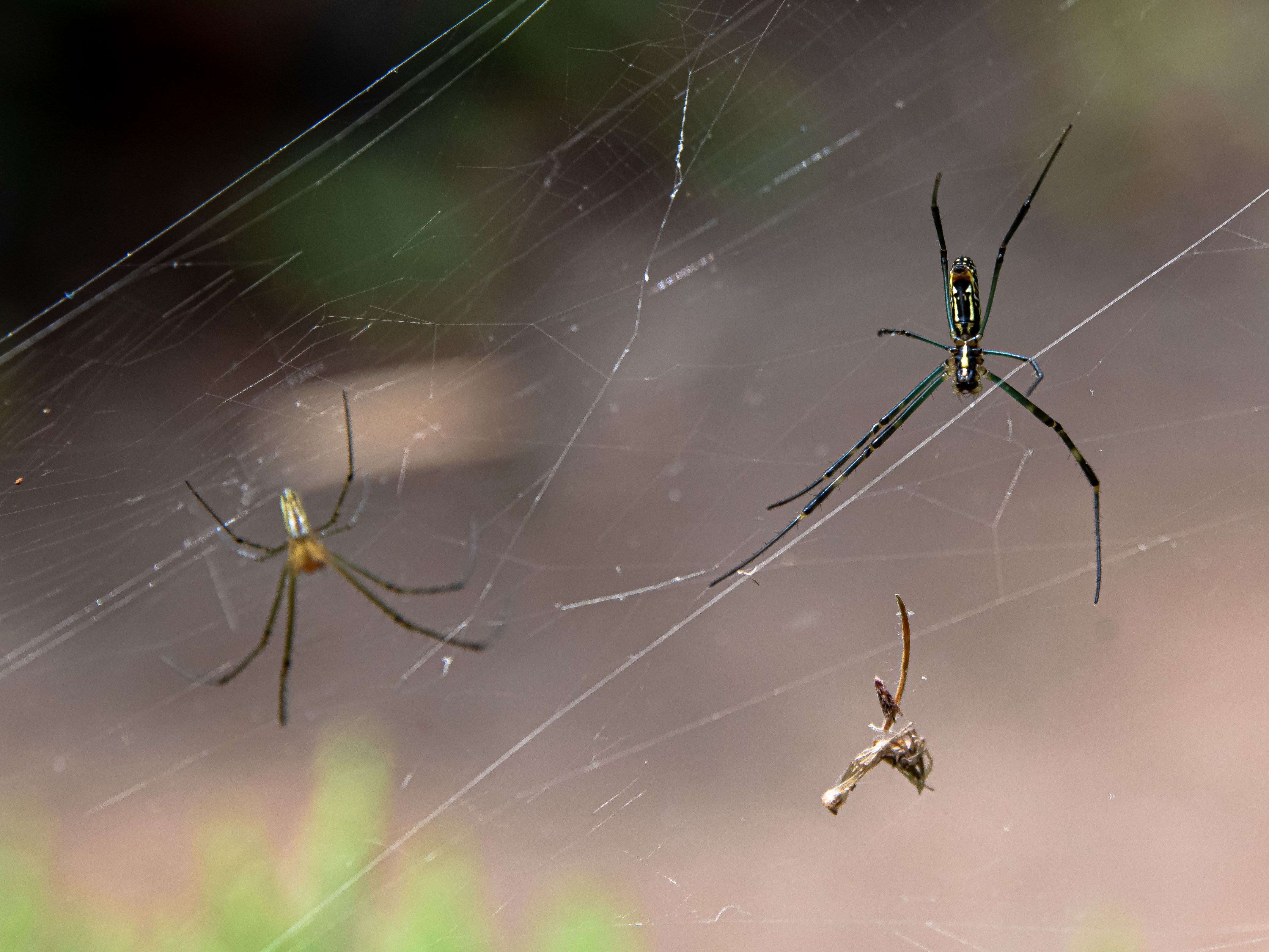
This one is a juvenile Joro-spider, Trichonephila clavata, a golden orb-weaver. They are highly characteristic of this region of the world, i.e. East Asia, although just like K-pop and Anime, they are taking the world by storm as an invasive species.
In Korea the Joro is known as the Shaman’s spider, likely due to their colourful appearance.
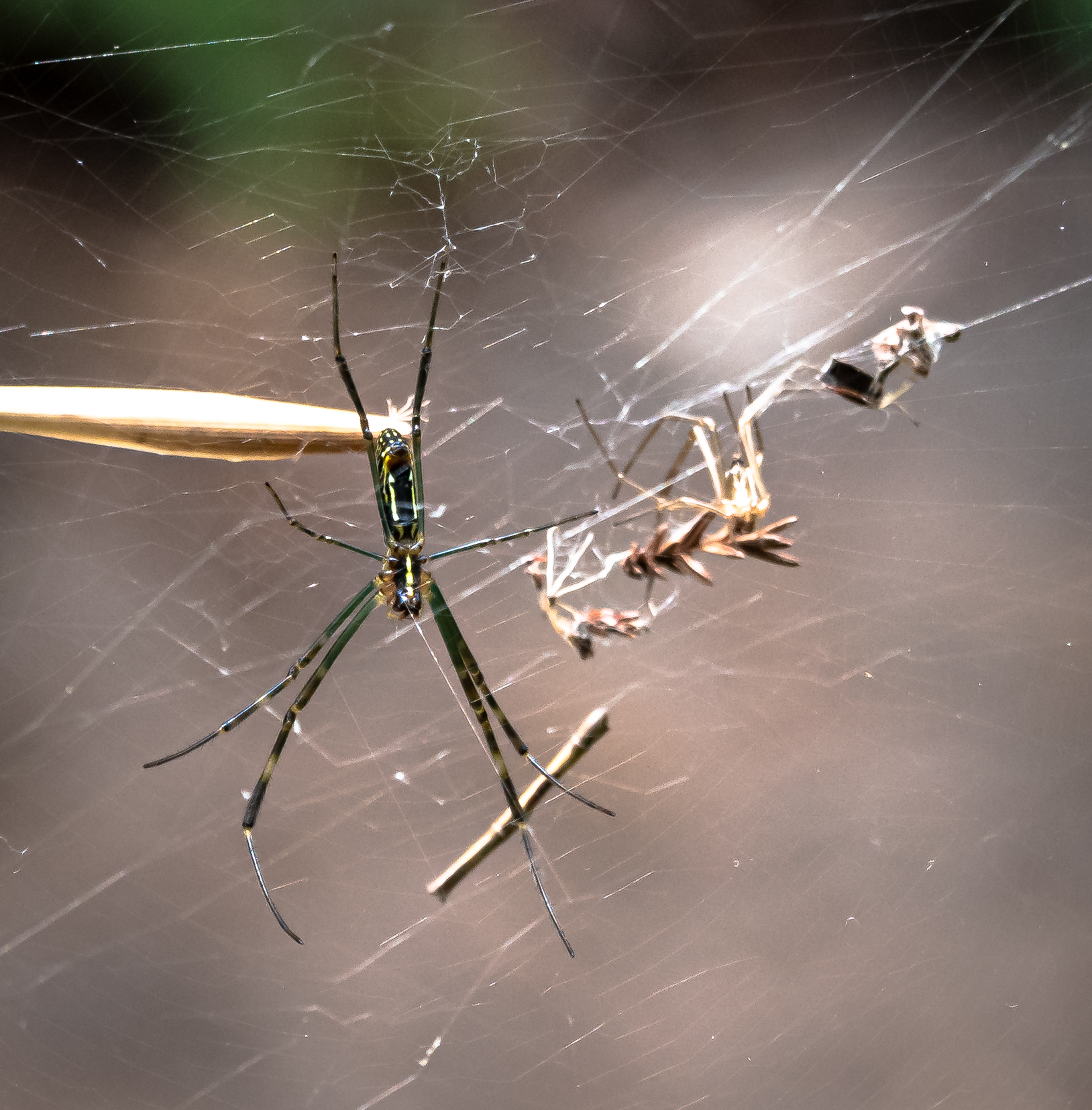
(Uncanny if you ask me)
More interesting is their mythical significance in Japan. The name Joro comes from Jorōgumo, a yōkai, from Japanese folklore. These are shape-shifters who can turn into beautiful women, and similar their arachnid counterpart, these “entangling brides” like to prey on young men looking for “love”.
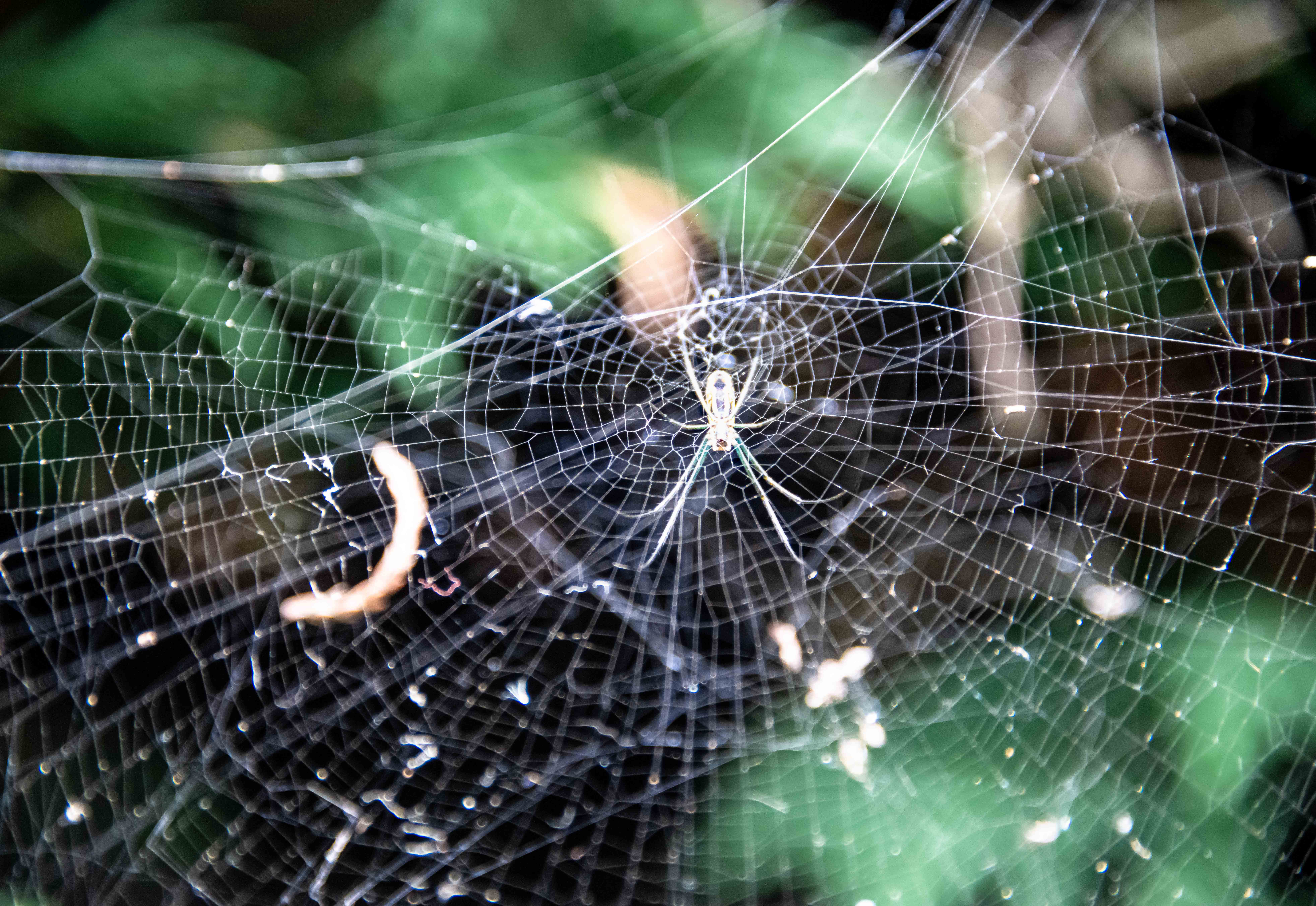
The Joros are also master weavers. Their webs can span many meters and often have a three layer structure, i.e. a circular orb between layers of irregular meshes. These webs are very durable and can last for several days, with the diligent architect constantly repairing her castle.
And finally, next we have a confirmed Argiope, a Wasp Spider, the largest of the lot that I encountered.
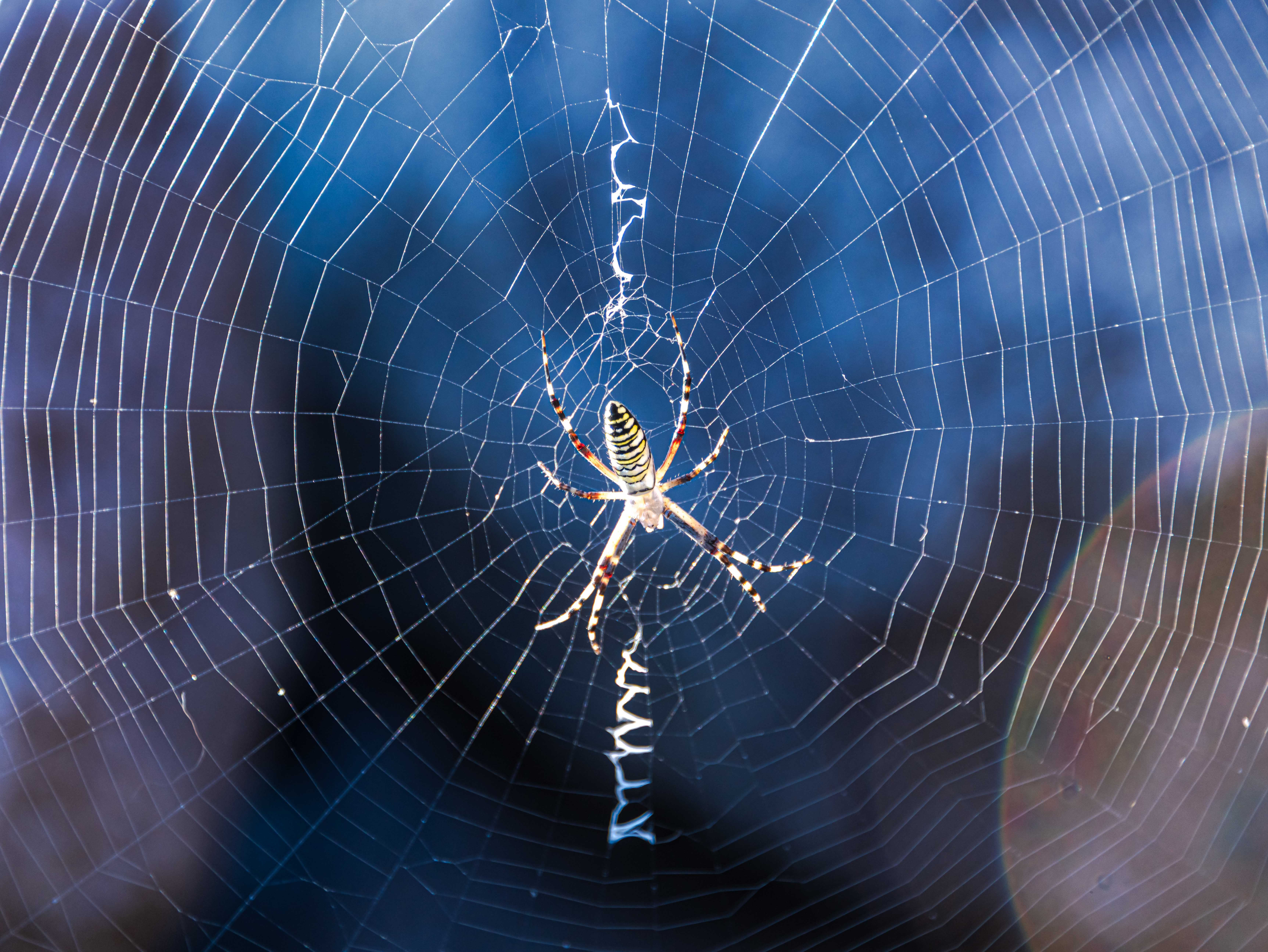
The distinct yellow/black stripes give it an appearance of a wasp and hence the name. What’s striking about them is also the vertical zigzag decoration they add in their webs. This is called a stabilimentum and its purpose is greatly debated among researchers. The hypotheses include structural support for the web, preventing birds from flying into them, predator deterrence, camouflage for the spider, and even perhaps to attract certain flies via the UV light that is reflected from it.
Though I would like to think of it as a flourish of a signature in Kanji (or rather Hanja) by this eight-legged warlord.
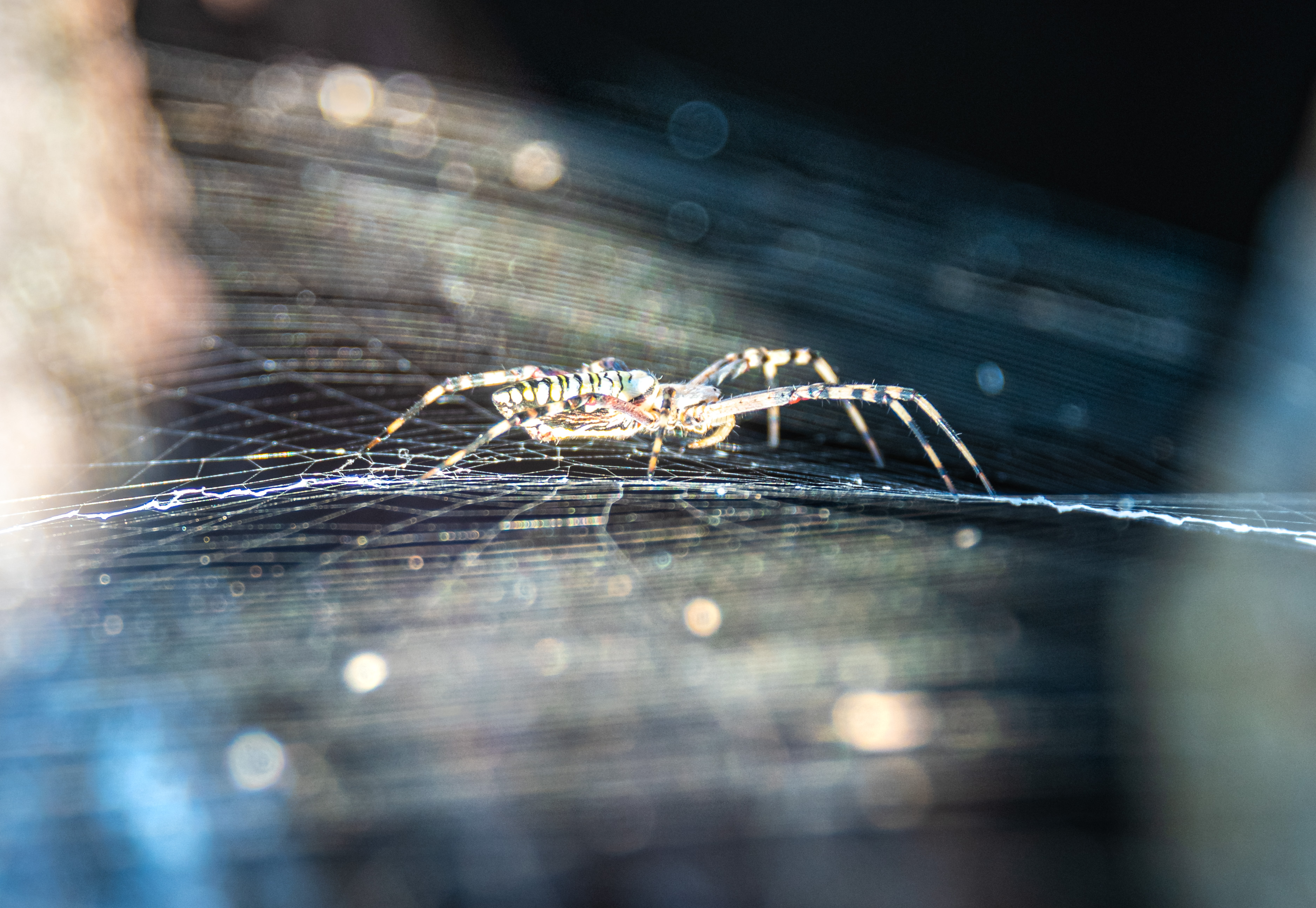
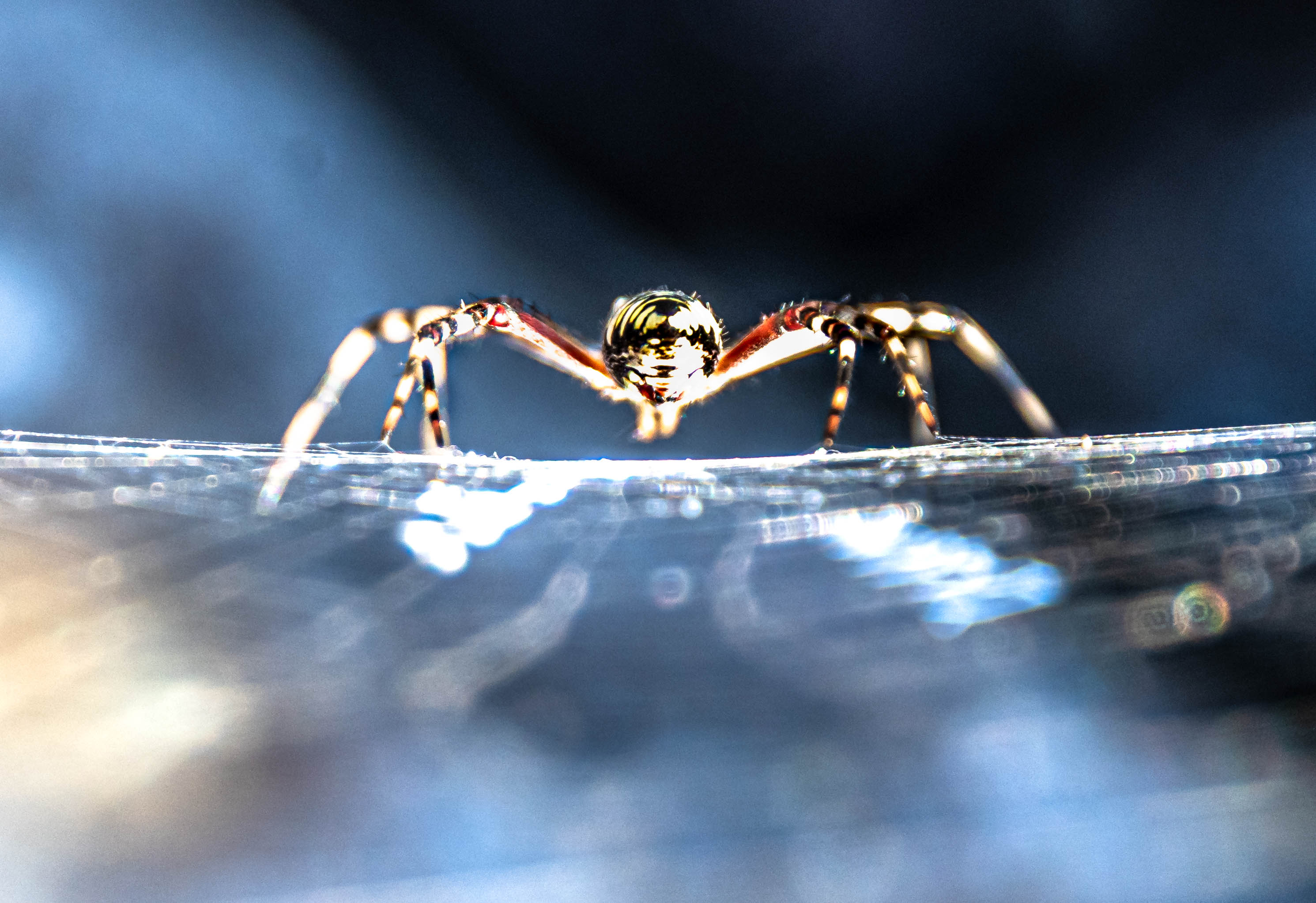
Again, its only the females which don these colours and give the appearance of a tigress.
All shots from Jeju, South Korea, July 2025.
 MERCURIALS
Leave a comment